

How to Replace a Lost Title Deed in Kenya
FEBRUARY 04, 2025 Update: If you lose your title deed, it can be concerning, especially since most land fraud cases involve title deeds. Additionally, frequent changes in land laws can make the situation even more overwhelming. So, what is the legal process for replacing your title deed? How should you….
PUBLISHED: FEBRUARY 04, 2025 UPDATED: FEBRUARY 04, 2025.
9 MINUTES READ TIME

WRITTEN BY:
Joshua Munuve, Digital Marketing Associate at Musyimi Damaris & Company Advocates.

REVIEWED, FACT-CHECKED & APPROVED BY:
Damaris Musyimi, Founder and Head Advocate at Musyimi Damaris & Company Advocates.
The Ultimate Guide to The Process of Replacing Your Lost Title Deed in Kenya. (Proven)
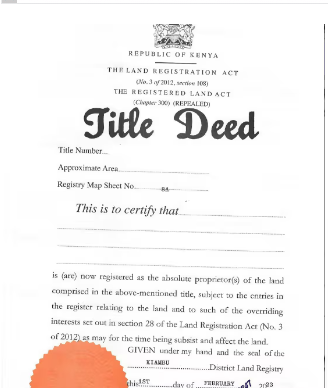
Misplacing or losing a title deed—the essential legal document that verifies land ownership in Kenya—can be a daunting and stressful experience for any land owner in Kenya. This document is not just a piece of paper; it represents your rights and investments in the land you own. Fortunately, Kenyan law offers a structured and accessible process for replacing a lost title deed, allowing landowners to reclaim their rightful ownership effortlessly.
In this blog, we aim to demystify the often complex legal procedures associated with this issue based on the process we use to help clients who want to replace their title deeds at Musyimi Damaris & Company Advocates.
We will guide you through each step of the title deed replacement process in clear, straightforward language, helping you navigate the requirements and necessary documentation needed to restore your ownership rights. With the right information at your fingertips, you can tackle this situation with confidence and clarity.
Table of Contents:
Why Should You Replace Your Lost Title Deed?
A title deed serves as one of the most crucial legal documents that establish and confirm ownership of land. Losing this important document can lead to significant complications and challenges regarding your land. In Kenya, there isn’t a strict deadline for reporting a lost title deed; however, it is highly advisable to take prompt action. Acting swiftly can help protect your land rights against possible fraud or unauthorized activities, as land fraud cases often involve the title deed. Once you discover that your title deed is missing, it is essential to initiate the title deed replacement process without delay to protect your investment and ensure your ownership is formally recognized.
The Process of Replacing a Lost Title Deed in Kenya.
Title Replacing Stage | Description of Title Deed Replacing Stage | Documents that are needed. |
| We recommend you verify that the title is indeed lost and not misplaced. You should conduct a thorough search in all potential storage locations, such as safes, file cabinets, and safety deposit boxes. Additionally, consult with family members or trusted individuals who may have had access to the document. | |
| Once you have verified the loss, the law states that you should report it to the police. Visit your nearest police station to file a report and obtain a police abstract. This document serves as official proof of the reported loss and helps prevent any fraudulent use of the lost title deed. |
|
| The law states that you should proceed to the Land Registry where the original title deed was registered, it is mandatory to notify the Land Registrar of the loss. The Land Registrar will advise you to visit an advocate for advice on the replacement of your title deed. We also advise our clients to register a caution on the title deed while in the Lands Registry to prevent any illegal dealings on the land without their knowledge. |
|
| You must complete the Application for Replacement Certificate of Title/Lease on Loss/Destruction of a Previous Title to obtain a replacement. The application form will require the following information: – Personal details of the applicant. – The parcel number of the land. – Details of the lost title deed, if known. | |
| You are required to prepare all supporting documents needed to be issued with a new title deed. Your application must be accompanied by several essential documents. |
|
| The fees for replacing a lost title deed are prescribed by the Ministry of Lands and Physical Planning. These fees may vary based on the value and location of the land. It is advisable to verify the current fee structure and payment process directly with the Land Registry office. | |
| An entry declaring the loss of the title deed will be published in the Kenya Gazette, notifying the public of the loss and demanding that anyone in possession of the title deed surrender it to the land registry or the owner. After 60 days from the publication of the Gazette Notice, the Registrar should issue a new title deed and update the green card entries. The purpose of the Gazette Notice is to inform the public of the title deed’s loss so that any holder can return it. | |
| 60 days after the Gazette notice, the proprietor must submit another application for the replacement of the title deed (Form LRA 19) at the registry and pay the applicable charges. Following this, the land registrar will replace the lost title deed with a duplicate. |
If you’re facing any land disputes related to your title deed or even family succession issues, our advocate for land disputes could help with a legal review to assess the strength of your land case. Call them here.
Additional Recommendations To Protect Yourself When Replacing Your Title Deed.
Based on our experience at Musyimi Damaris & Company Advocates in helping multiple clients replace their title deeds successfully, we recommend the following to anyone looking to replace their title deeds.
- Exercise Extreme Caution Throughout the Process: We recommend taking two important steps. First, report any issues to the police as soon as possible to obtain the abstract required at the Lands Registry, where you should place a caution on your land. This will prevent anyone from transacting without your knowledge. Second, only interact with authorized personnel at the Land Registry office and avoid unauthorized individuals who claim they can expedite the process for a fee.
- Maintain Accurate Records: Keep copies of all documents submitted during the application process, as well as the new title deed, for your future reference.
- Consult a Property Lawyer: Consulting a qualified property lawyer is totally recommended. An experienced property lawyer understands the ins and outs of this process and can help you navigate it with very minimal involvement from you. That’s where Musyimi Damaris & Company Advocates comes in, we have assisted numerous clients with title deed consultations and are ready to offer our expertise and experience to you.
Tips for a Smooth Title Deed Replacement Process.
Based on our experience in helping multiple clients, we have found the following tips useful for making the title deed replacement smooth for you.
- Start Immediately:It is crucial not to wait until you desperately need your title deed to begin the replacement process. As soon as you realize your title deed is missing, start the process immediately. The sooner you begin, the better.
- Maintain Regular Follow-Ups:In addition to keeping detailed records of all communications with the Lands Registry and other relevant parties, it is essential to follow up regularly on the status of your application.
- Secure Title Deed Storage:We advise clients to take extra care with essential documents like title deeds. Many banks offer safekeeping services for a small annual fee, so consider using these services to store your title deed securely. Some property lawyers also provide safekeeping options.
Summary of Replacing a Lost Title Deed in Kenya.
Replacing a lost title deed can feel overwhelming and complex, but by systematically following these few essential steps and maintaining a patient mindset, you can successfully obtain a new document that serves as verified proof of your land ownership. The process may involve several tasks, such as gathering necessary documents, submitting applications, and possibly paying fees, but each step brings you closer to reclaiming this important legal record. It’s important to remember that a secure title deed not only represents your ownership but also plays a vital role in protecting your significant investment in land. Taking the time to properly navigate this process ensures peace of mind and stability for your property. You can also read our other law-related blogs here. Some of our other informative blogs related to buying land in Kenya include:
- Everything You Need to Know About Stamp Duty, Including Circumstances You Can Take Advantage of to Legally Not Pay Stamp Duty.
- The Process of Buying Land in Kenya, Including How to Protect Yourself When Buying Land in Kenya.
- Everything You Need to Know About Paying the Deposit, Including the Best Time to Pay It to Avoid Being Conned When Buying Land in Kenya.
- Documents Needed When Buying Land in Kenya, Including Proven Tips for Protecting Your Documents During Property Transactions.
- Everything You Need to Know About Buying Property in Kenya As a Foreigner, Non-citizen or Assylum seeker in Kenya.
- How Long It Takes for the Title Deed to Be Ready After Buying Land and Proven Tips You Can Use to Speed Up the Process.
If you have any questions regarding buying land in Kenya, check out our Frequently Asked Questions, send us a confidential message through our Contact Us form or directly call us at 0792838425.
Title Deed Replacing Supporting Sources
WRITTEN BY:
Joshua Munuve is a Digital Marketing Associate at Musyimi Damaris & Company Advocates. He has driven the growth of the law firm's online presence from getting no clients online to getting multiple and consistent clients a month to the point of online inquiries and consequent clients being more than walk-in inquiries and consequent clients. This has been achieved through his web development skills.
REVIEWED, FACT-CHECKED & APPROVED BY:
Damaris Musyimi is the Founder and Head Advocate at Musyimi Damaris & Company Advocates. With over three years of experience in legal practice, she has assisted numerous Kenyans in recovering more than 100 hectares of land. Additionally, she has guided many individuals in purchasing property and has supported families with succession and inheritance matters. Several legal organizations she previously collaborated with continue to consult her on various legal issues.

A Beginner’s Ultimate Guide to Everything You Need... February 4, 2025
The Best Time to Pay Deposit When Buying... February 4, 2025
